Saving Kidneys
What can you do to "save your kidneys"?
The information below can guide you in the process.
Hydrate, but don't overdo it
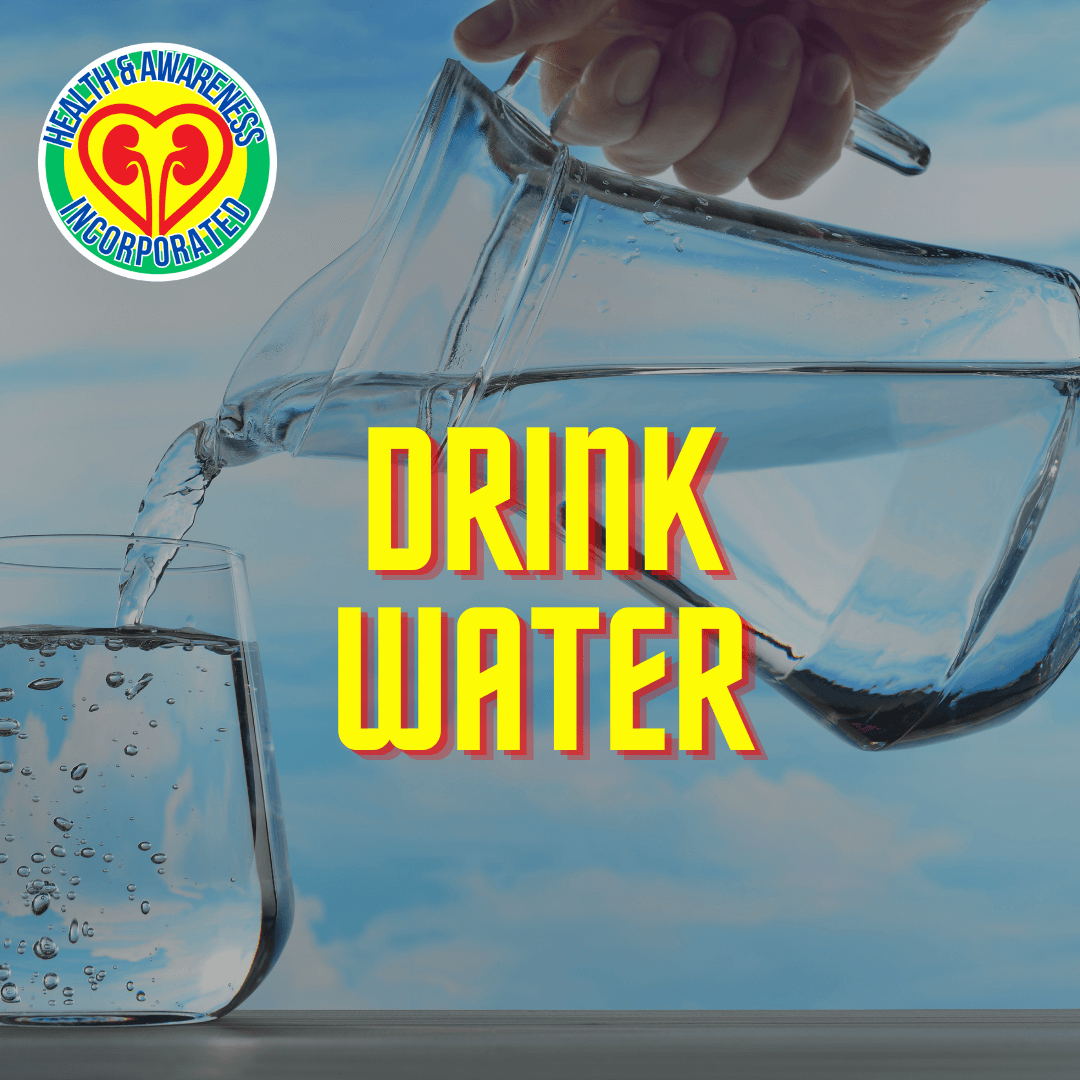
Contrary to popular belief, no studies have proven over-hydration as an effective practice in enhancing kidney function. While it's always a good idea to drink enough water, drinking more than the typical eight glasses a day probably won't help your kidneys do their job any better, it may cause swelling.
Change your Eating habits
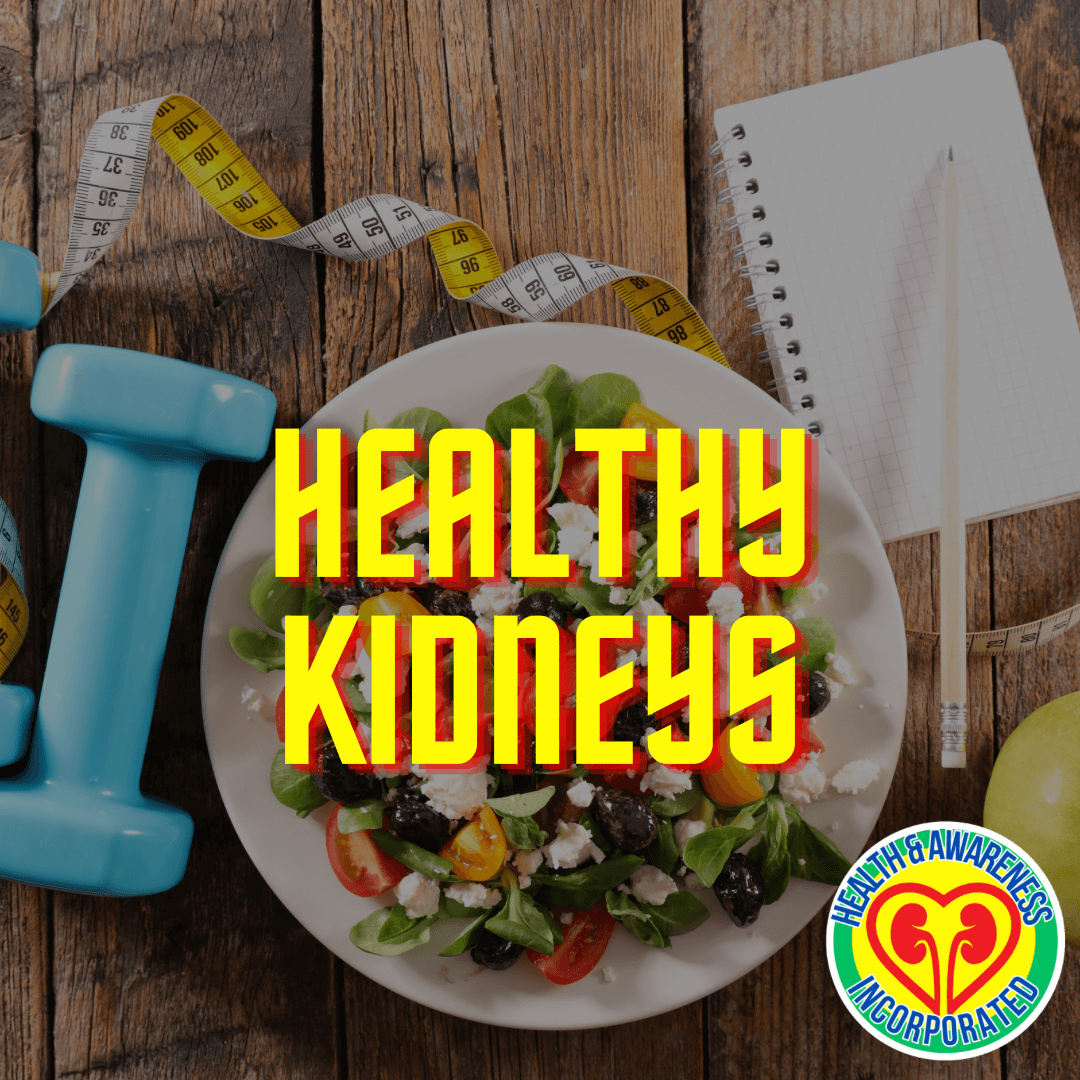
Most kidney problems arise out of other medical conditions like high blood pressure, diabetes, and cardiovascular disease. Because of this, it is suggested that you follow a healthy eating habit that is right for you in controlling your weight, blood sugar and blood pressure. Preventing diabetes and high blood pressure will help keep kidneys in good condition.


Exercise regularly
Like eating what is healthy for you, and following doctors' orders, physical activity can stave off weight gain, manage blood sugar and high blood pressure. But do be mindful that there is no such thing as one size fit all treatment plan, especially if you have several medical issues and you're not in conditioned. Talk to your physician before beginning any new workout program.
Use caution with supplements and herbal remedies
Excessive amounts of certain vitamin supplements and some herbal extracts may be harmful to your kidneys. Talk to your kidney doctor about any vitamins, herbs and over the counter medicines you plan to take, non-kidney doctors are not familiar with all kidney medications.



Quit smoking and vaping
Smoking can damage blood vessels, which decreases the flow of blood in the kidneys. When the kidneys don't have adequate blood flow, they can't function at optimal levels. Smoking also increases the risk of high blood pressure as well as the risk of kidney cancer. While vaping may not expose someone to many of the toxins in tobacco smoke, the nicotine is still very addictive and hard on the body. Plus, there are many chemicals in the vaping solutions.
Don't overdo it with over-the-counter medications
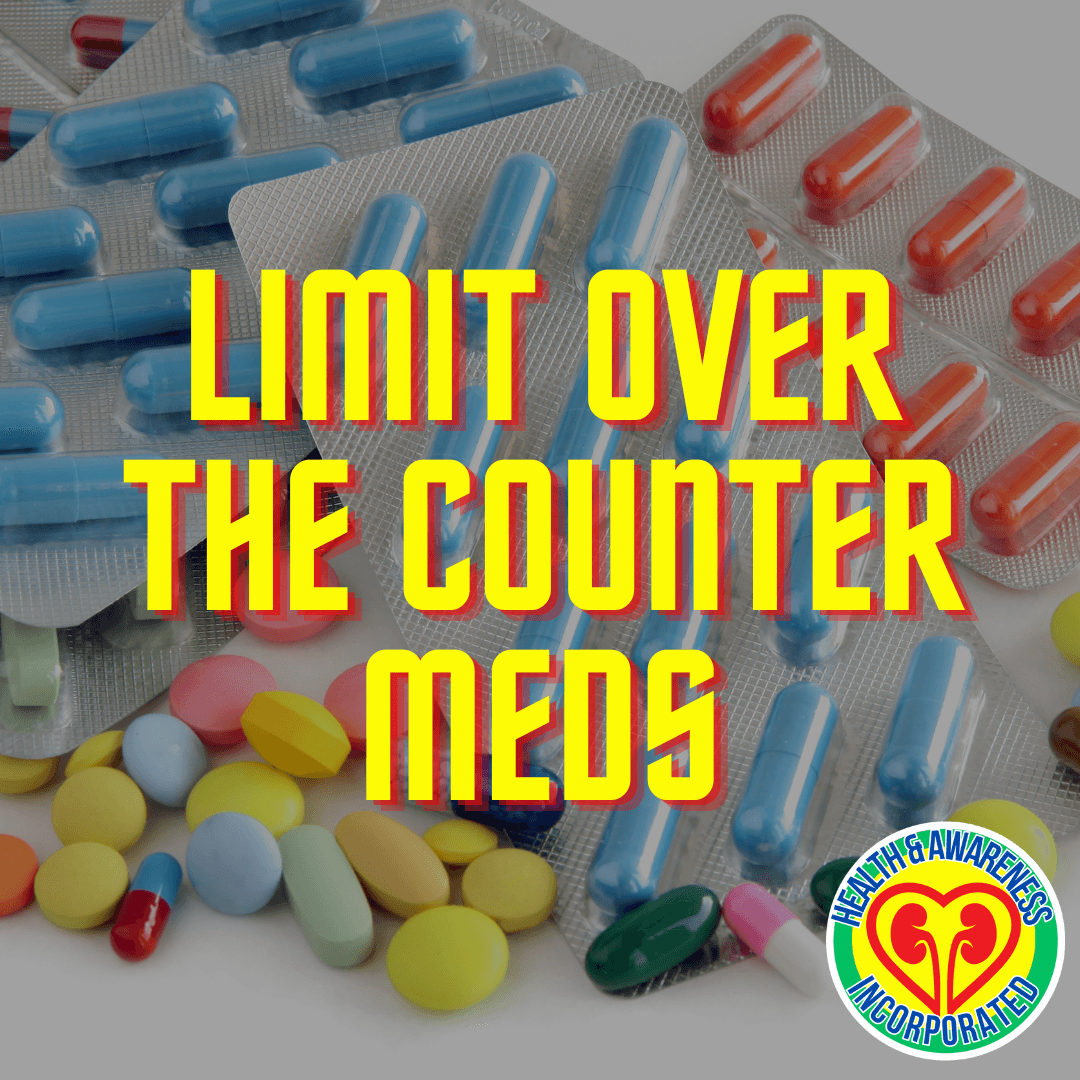
Common non-prescription pills like ibuprofen, naproxen (NSAIDs) Rolaid and Tums can cause kidney damage if taken too regularly over a prolonged period. If you take them for chronic pain, arthritis, or frequent acid interjection, you should talk to your doctor about monitoring your kidney function or finding alternative ways to control your pain.
If you're at risk, get regular kidney function screening. If you have diabetes, high blood pressure or cardiovascular disease, your physician should screen for kidney dysfunction as part of routine care for those conditions.


The Big Takeaway
The most important thing you can do to keep your kidneys safe is to take care of your body to reduce your chances of developing diseases that put a strain on your kidneys, such as diabetes and high blood pressure. In addition, eating healthy, taking your medication, exercising regularly, and controlling your weight can less your risk for develop chronic kidney disease. These healthy practices are not new and definitely not specific to kidney health. Healthy kidneys thrive in a healthy body.


It Makes Sense With Common Sense Rules
The Common Sense Rules focuses on the following:
- Understanding lab test results
- Forget dieting and change eating habits
- Read and follow the nutritional fact label
- Know the facts about organ donation
- Remembering there is no such thing as a one size fits all treatment plan

Why Not Me?
Why Not Me? A book by Wallace S. Green the founder of Health & Awareness, that shares his personal experience during his journey with Chronic Kidney Failure. Learn about what questions to ask doctors, understanding your labs results, and more.